

Backstreet Boys File a Trademark to Protect Their Voices From AI
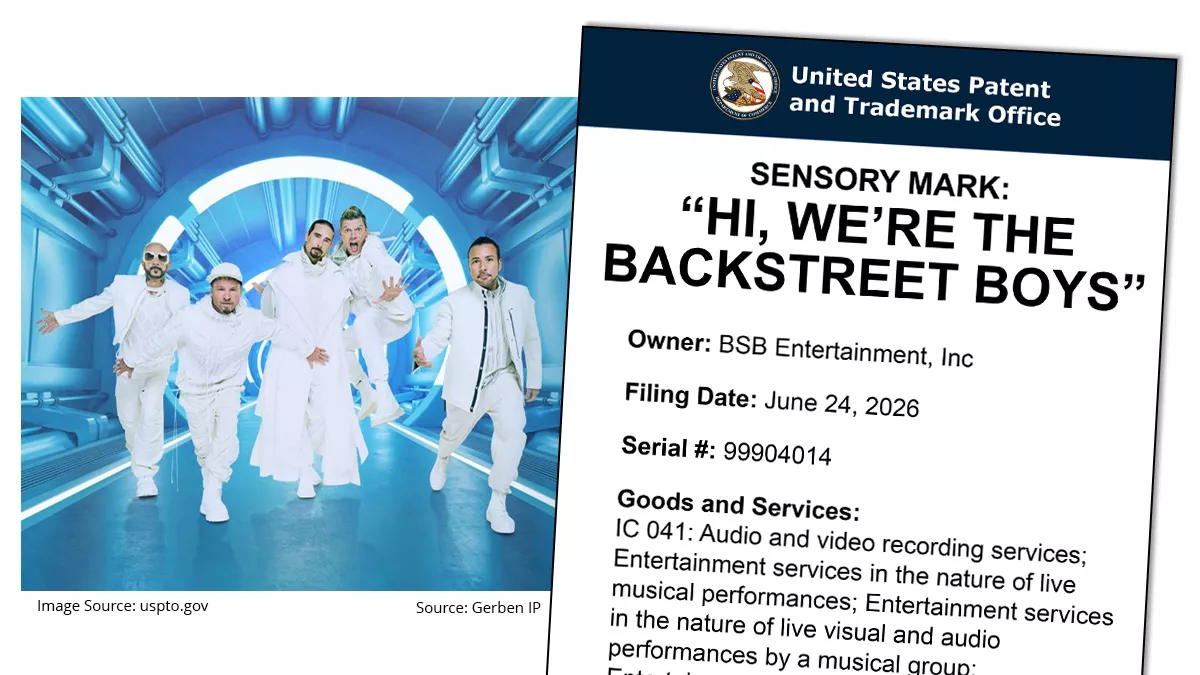
The Backstreet Boys have filed a new trademark to protect the sound of their voices.
The filing, made with the USPTO on June 24th, takes a direct page from Taylor Swift’s legal playbook to guard against AI-generated voice replicas.
In April, Taylor Swift made a trademark filing seeking protection for the phrase, “Hey, it’s Taylor.”
The Backstreet Boys’ trademark filing is for the band saying: “Hi, we’re the Backstreet Boys.”
If approved, the Backstreet Boys’ registration could provide another legal tool for challenging unauthorized uses of their voices online, particularly as artificial intelligence makes it easier to generate convincing celebrity sound-alikes.
The strategy is based on how major online platforms have historically handled trademark disputes. Companies such as Google, Amazon, Meta, Etsy, and eBay routinely remove content that appears to infringe federally registered trademarks, often without requiring a court order. Trademark owners have long relied on those systems to police counterfeit goods and unauthorized uses of protected brands.
The legal theory behind the Backstreet Boys trademark filing is that the AI platforms will eventually extend similar protections to registered sound marks, making it easier to remove AI-generated content that imitates a celebrity’s voice.
Whether that strategy succeeds remains an open legal question.
Will this trademark filing protect the Backstreet Boys from AI copycats?
At the moment, we are witnessing the very beginning of an entirely new legal strategy for the AI era.
For decades, trademarks have protected words, logos, and slogans. Now celebrities are trying to use trademark law to protect the sound of their voices.
The theory is relatively straightforward. If a celebrity owns a federal trademark registration for a distinctive recording of their voice, online platforms may eventually treat that registration the same way they treat traditional trademarks. If AI-generated content is deemed confusingly similar to the registered sound, AI platforms could block it from ever being created (long before a lengthy court battle is necessary).
The challenge is that trademark law has never really been used this way.
The Backstreet Boys’ application covers a very specific recording: “Hi, we’re the Backstreet Boys.”
That raises an obvious question.
If someone uses AI to generate an entirely different phrase (or a song that was never performed by the group), but still uses a voices that sound like the group, is that still infringing on this particular trademark?
The Backstreet Boys would likely argue that trademark infringement turns on whether consumers are likely to be confused, not whether the exact words are identical. If an AI-generated recording sounds confusingly similar to the protected sound, they could contend that it infringes their trademark rights.
The platforms, however, could take a much narrower view. They may argue that protection extends only to recordings that are confusingly similar to the specific phrase that was registered, not to every AI-generated recording that merely sounds like the group.
Historically, a “sound mark” protected a distinctive audio signature that identifies the source of goods or services.
The most famous registered sound marks are the Netflix “tu-dum,” the NBC “chimes,” and the Metro-Goldwyn-Mayer “lion’s roar.”
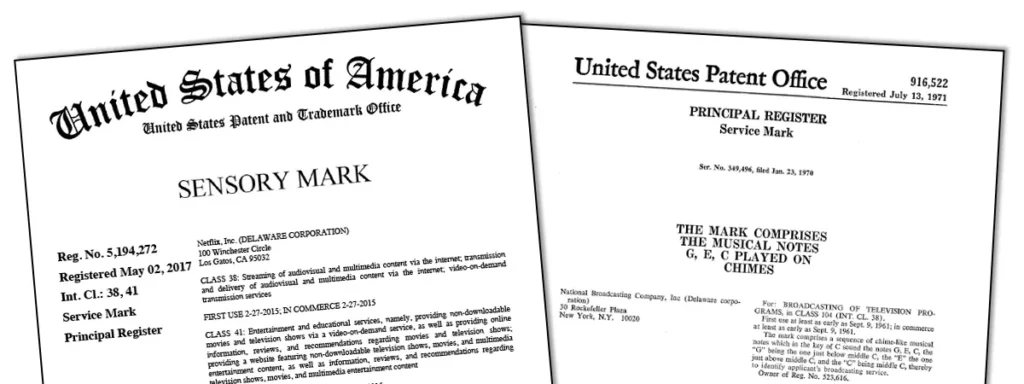
Attempting to register a sound mark for a single phrase and then enforcing it against anything that simply sounds similar to the spoken voice is not something that has been tested in court before.
How AI platforms handle trademark rights created by these filings will become one of the most interesting trademark stories to watch over the next 12-24 months.
If the filings have their intended effect, a flood of new “sound marks” will be filed with the USPTO.
For now, the Backstreet Boys have joined a growing list of artists hoping that trademark law can evolve quickly enough to meet the challenges posed by artificial intelligence.

Josh Gerben, Esq.
Josh Gerben, Esq. is a nationally recognized trademark attorney and the founder of Gerben IP. Since launching the firm in 2008, he has overseen the registration of over 10,000 trademarks and handled over 1,500 trademark disputes. Josh's practice focuses on building and defending global trademark portfolios for clients. These clients include entrepreneurs, private equity-backed businesses, athletes, celebrities, and public companies. Frequently quoted by major media outlets like CNBC, CNN, The New York Times, and The Wall Street Journal, Josh is widely regarded as a leading authority in trademark law.
Do you need assistance with a trademark matter?
Contact an Attorney Today