

Lionel Richie Files Trademarks to Protect His Voice From AI
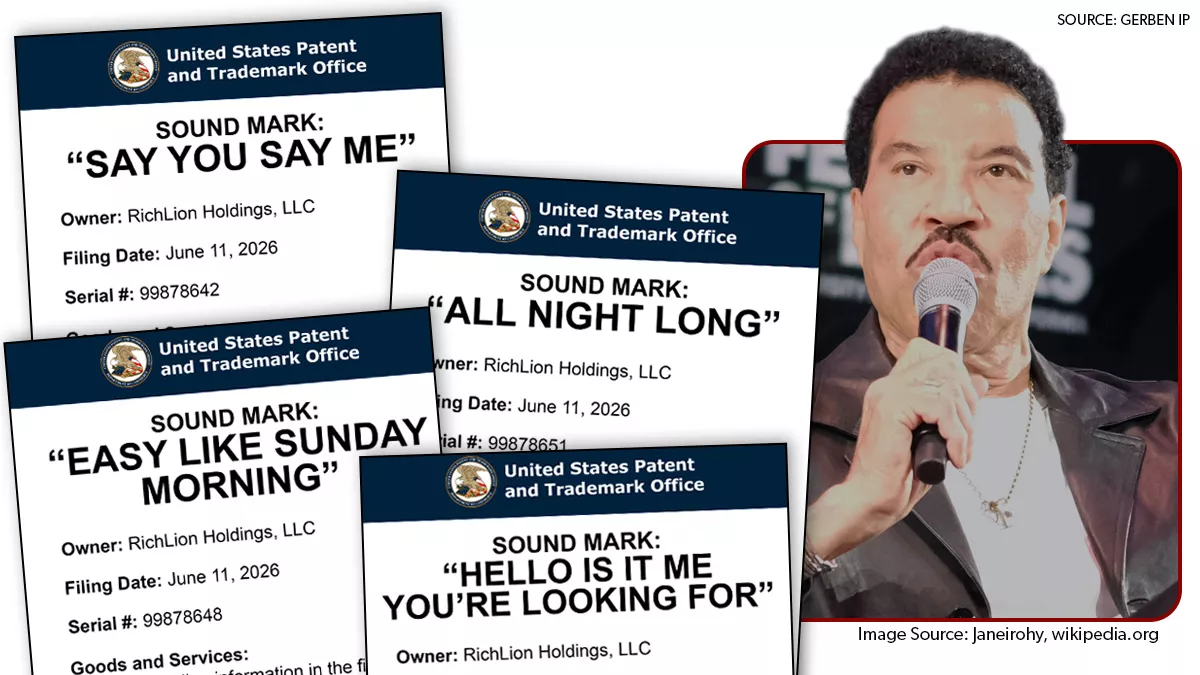
Legendary singer-songwriter Lionel Richie has filed four new trademark applications aimed at protecting the sound of his voice.
The filings by Richie join a growing group of celebrities seeking trademark protection to protect their voices in the age of artificial intelligence.
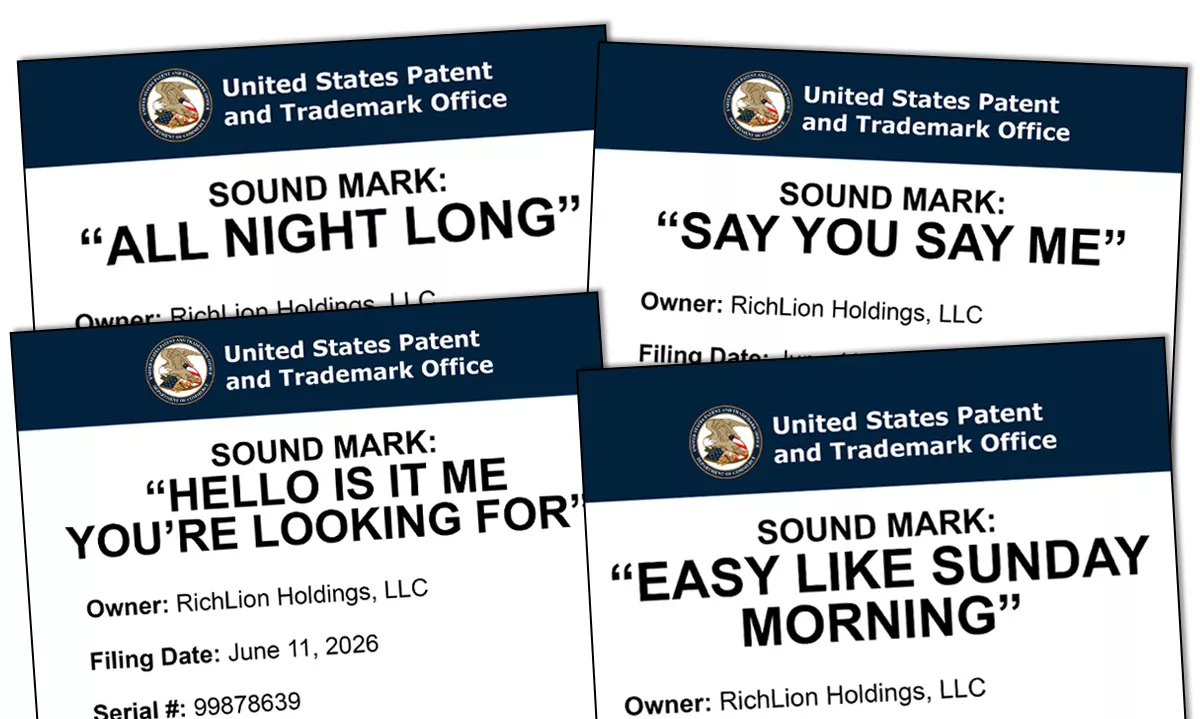
The applications seek protection for audio recordings of Richie saying four famous phrases associated with his songs:
The filings reflect an emerging trend among entertainers seeking new ways to control how their voices and likenesses are used as AI-generated content becomes increasingly sophisticated.
Taylor Swift, Matthew McConaughey, and Jimmy Kimmel made similar filings so far this year.
Unlike copyright law, which protects songs and lyrics as creative works, trademark law protects brands.
As a result, historically, artists have not sought trademark protection for lyrics simply because a song lyric by itself is not protectable as a trademark.
To register a sound (in this case, a lyric) as a trademark, the law requires that a sound function as a “source identifier.” This means that consumers would associate the sound with a particular product or service. One common example is the distinctive “tu-dum” sound used by Netflix when users launch the streaming platform.
At the moment, it is unclear how Richie plans to use these sounds as trademarks. This is because his trademark applications were filed on an intent-to-use basis, meaning he is not yet using the phrases as trademarks in commerce.
The applications that Richie filed indicate that the sounds will eventually be used in connection with providing music and entertainment information, videos, and news about a musical artist.
An Excerpt From One of Richie’s Trademark Applications

To secure federal trademark registrations, Richie would ultimately need to demonstrate that each sound/lyric is being used as a brand identifier for those services rather than merely as part of a song.
While the filings face these significant legal hurdles, they underscore the entertainment industry’s growing concern over AI-generated voice replication and synthetic media.
Why did Richie File These Trademarks?
Ultimately, these applications are less about protecting individual song lyrics and more about seeking new legal tools to protect celebrity voices in the AI era.
Current laws protecting voices and likenesses can often stop someone from using an artist’s exact voice without permission. But trademark law offers a different and potentially broader framework. A trademark registration could allow an artist to stop any reproduction of his/her voice that just sounds similar.
If Richie were able to obtain registrations for these sound marks, it could provide another layer of protection against AI-generated content that sounds enough like him to make consumers believe he was involved.
That’s why we’re seeing similar filings from celebrities such as Taylor Swift and Matthew McConaughey. They are exploring whether trademark law can fill gaps left by existing copyright and right-of-publicity protections.
Whether Richie’s applications ultimately succeed remains an open question. From a technical trademark perspective, these filings will be challenging because the USPTO will expect evidence that the sounds function as trademarks rather than simply famous lyrics.
Ultimately, before any registration can issue, Richie will need to demonstrate that the phrases are being used in a branded manner consistent with trademark law.
What will be most interesting to watch is how Richie and his legal team attempt to create the trademark use necessary to support registration.
If successful, these filings could become an important test case for how trademark law adapts to the AI era.
Josh Gerben, Esq.
Josh Gerben, Esq. is a nationally recognized trademark attorney and the founder of Gerben IP. Since launching the firm in 2008, he has overseen the registration of over 10,000 trademarks and handled over 1,500 trademark disputes. Josh's practice focuses on building and defending global trademark portfolios for clients. These clients include entrepreneurs, private equity-backed businesses, athletes, celebrities, and public companies. Frequently quoted by major media outlets like CNBC, CNN, The New York Times, and The Wall Street Journal, Josh is widely regarded as a leading authority in trademark law.
Do you need assistance with a trademark matter?
Contact an Attorney Today