

Julia Louis-Dreyfus Files 4 Trademarks to Fight AI Infringement
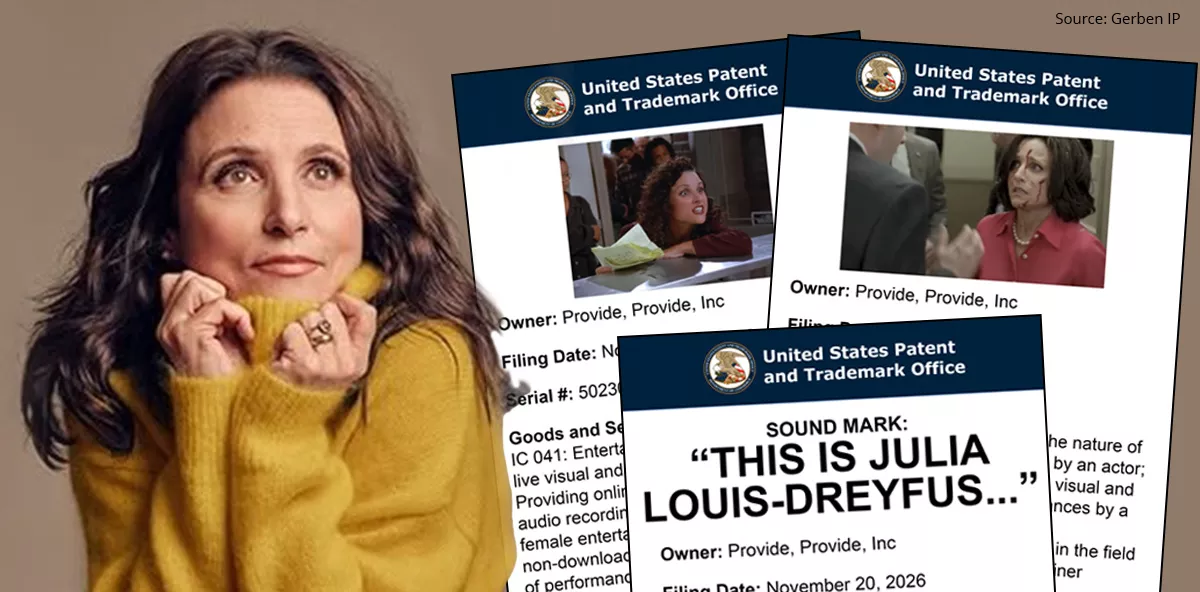
Julia Louis-Dreyfus is turning to trademark law to protect herself from artificial intelligence.
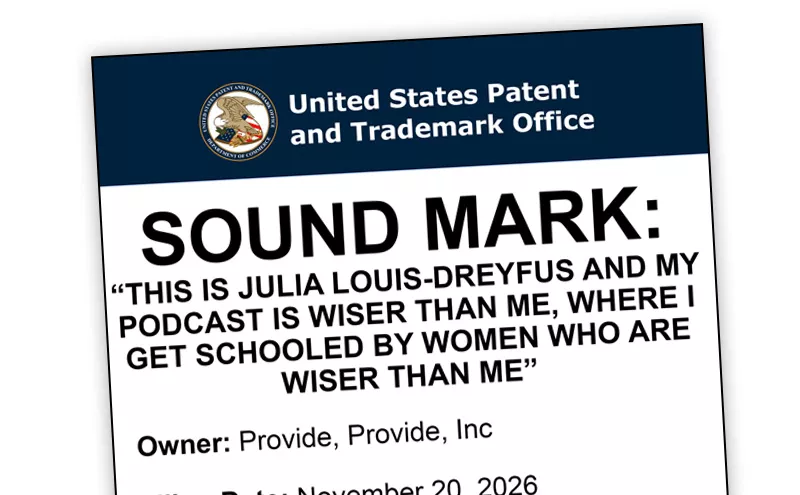
The actress filed four trademark applications on November 20, seeking protection for her voice and image. Specifically, Louis-Dreyfus filed to protect:
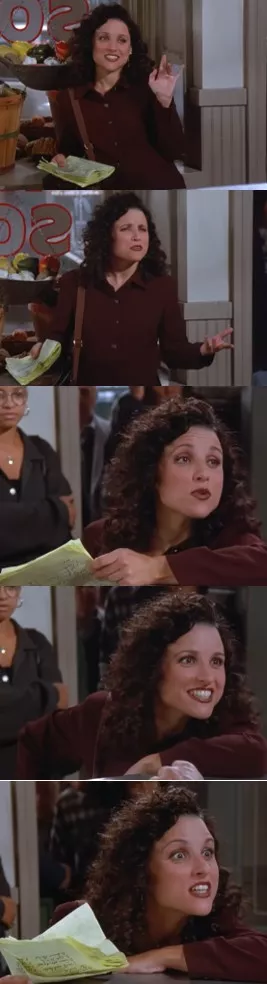
1. The Soup-Nazi Scene From Seinfeld
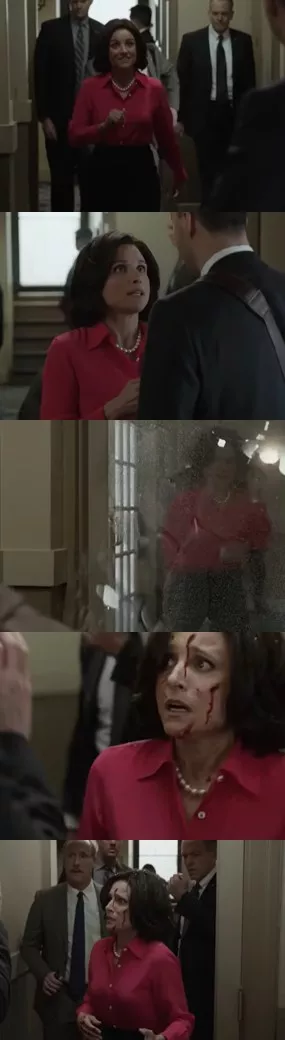
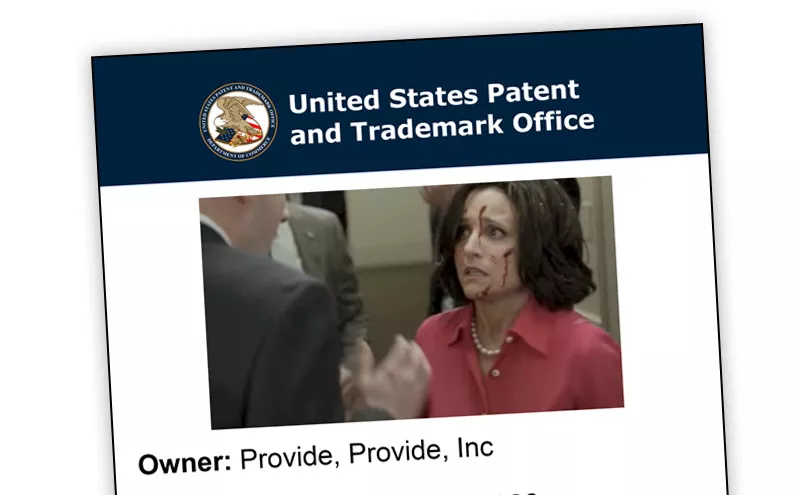
2. The Glass Door Scene from VEEP
4. Her image

The unusual filings are part of a growing effort by celebrities to prevent AI platforms from recreating their voices and likenesses without permission. Taylor Swift and Jimmy Kimmel are among the high-profile figures who have pursued trademark filings involving their recognizable voices and images.
Whether trademark law can provide the broad protection these celebrities seek remains an open legal question.
In this case, rather than attempting to trademark a traditional logo, slogan, or brand name, Louis-Dreyfus is seeking protection for recognizable moments from her acting career.
Historically, celebrities have relied on rights of publicity to prevent unauthorized commercial exploitation of their identities. California, for example, created laws that restrict the unauthorized commercial use of a person’s name, voice, signature, photograph, or likeness. Many other states have followed suit by enacting similar “right to publicity laws.”
But artificial intelligence has introduced new challenges.
AI systems can now generate convincing imitations of celebrities, including fabricated statements, performances, and endorsements. The speed and scale at which this content can be created make traditional enforcement increasingly difficult.
Trademark registrations could offer celebrities another avenue for protecting their identities, particularly because many AI platforms maintain their own intellectual property policies that restrict certain uses of protected material.
The hope is that by indicating that certain voices or scenes are protected by trademark filings, the platforms would institute controls over content that uses similar images or sounds.
Will These Trademark Applications Actually Work?
From a legal perspective, these trademark applications are fascinating because they push the boundaries of what trademark law has traditionally been used to protect.
Let’s start with the voice application.
A sound can absolutely function as a trademark. Companies have been protecting distinctive sounds for decades. For example, the “TADUUM” that is heard when Netflix opens is a protected trademark. So are the NBC “chimes.”
But the legal question here is whether registering a recording of Louis-Dreyfus speaking one particular sentence could give her broader rights over any AI-generated imitations of her voice.
That’s a much more difficult question.
Courts could interpret the registration narrowly and only allow it to protect the particular words spoken. But what Louis-Dreyfus and other celebrities presumably want is something much broader. They want to prevent AI platforms from recreating their voices to say things they never actually said.
For example, if an AI platform generated Louis-Dreyfus’ voice reading an entirely different sentence, would that infringe a trademark registration covering her podcast introduction
We simply don’t know. Courts have not answered that question.
The applications seeking protection for scenes from Seinfeld and Veep are even more unusual.
Trademark law does recognize something called a “motion mark.”
A motion mark protects a distinctive movement or sequence of movements that consumers associate with a particular source of goods or services.
Think about the famous lion and its roar at the beginning of any MGM motion picture. That is a motion mark. Essentially, these trademarks require a distinctive sequence consistently used to identify a product or service.
But that’s very different from protecting an individual scene from a television show. And this is where Louis-Dreyfus’ applications run into significant legal problems…
Trademark law is designed to protect symbols, sounds, and other identifiers that tell consumers where goods or services come from. It is not designed to give actors trademark ownership over every memorable performance they deliver.
Consider the Soup Nazi scene.
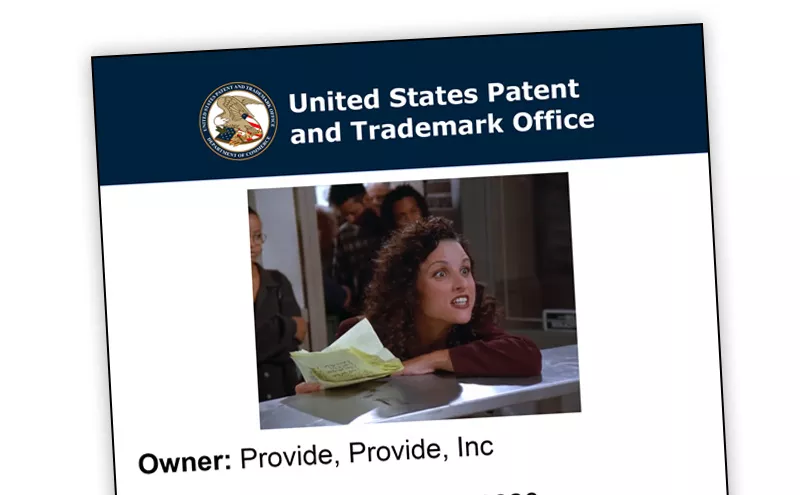
It is one of the most recognizable moments in Seinfeld history. Millions of people may immediately associate that scene with Louis-Dreyfus and her character, Elaine Benes. But recognition alone does not make something a trademark.
The critical question is whether that particular scene functions as a brand identifier in the marketplace. Establishing that will be extremely difficult, mainly because the scene is not used in such a format.
Imagine, for example, that the same scene appeared at the beginning of every episode of Seinfeld, functioning as the show’s recurring introduction. In that situation, there would be a much stronger argument that the motion served as a trademark identifying the television program. But an individual scene that appeared as part of the show’s entertainment content is something entirely different.
The same problem exists with the Veep scene involving Louis-Dreyfus walking into a glass door. It may be a memorable comedic moment, but that does not necessarily make it a trademark.
Ultimately, it is likely that the USPTO will refuse both of “motion marks” filed by Louis-Dreyfus.
The Legal Strategy Behind These Trademark Filings
Even if some of these applications are ultimately refused, the legal strategy makes sense.
Celebrities are looking for additional legal tools to protect themselves in a world where artificial intelligence can reproduce their voices and likenesses with remarkable accuracy.
And trademark law offers something potentially valuable: an established intellectual property framework that technology companies already recognize. Many AI platforms have policies addressing trademark infringement and other intellectual property violations. Even a pending trademark application might be used to take advantage of these policies and restrict use of a voice or image.
Ultimately, it will be up to the courts to determine how far and how broadly trademark law can be used to restrict what AI generates.
And, of course, such filings rely on the premise that we still actually have control over AI itself.

Josh Gerben, Esq.
Josh Gerben, Esq. is a nationally recognized trademark attorney and the founder of Gerben IP. Since launching the firm in 2008, he has overseen the registration of over 10,000 trademarks and handled over 1,500 trademark disputes. Josh's practice focuses on building and defending global trademark portfolios for clients. These clients include entrepreneurs, private equity-backed businesses, athletes, celebrities, and public companies. Frequently quoted by major media outlets like CNBC, CNN, The New York Times, and The Wall Street Journal, Josh is widely regarded as a leading authority in trademark law.
Do you need assistance with a trademark matter?
Contact an Attorney Today