

Are Big Brands Using Trademark Enforcement to Bully Small Businesses?
A lot has been made about Buc-ee’s aggressive trademark enforcement, and some of that attention is well deserved.
But here’s the surprising part: Buc-ee’s isn’t even close to being one of the most active trademark enforcers in the United States.
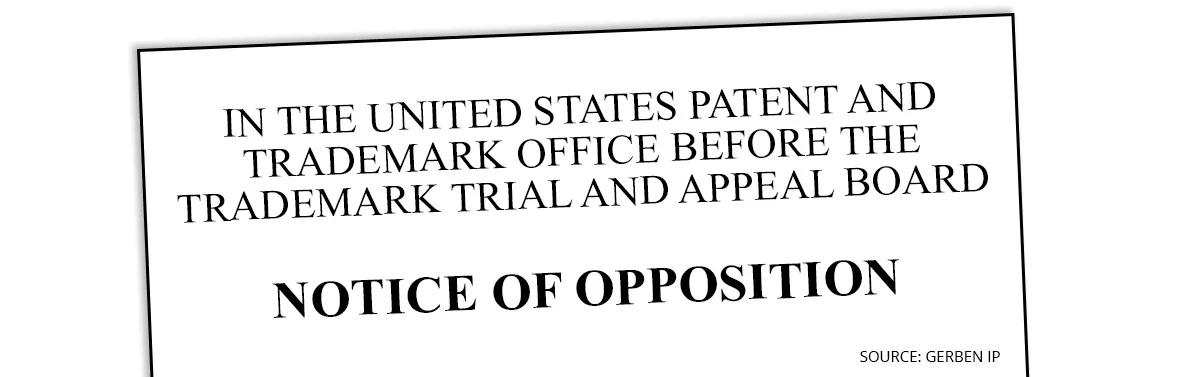
Trademark enforcement can take many forms, from cease-and-desist letters to federal lawsuits. But one of the few publicly measurable ways to compare enforcement activity across companies is to look at the number of “Oppositions” a company has filed with the USPTO.
By that measure, Buc-ee’s ranks 54th.
An “Opposition” is a legal action that a company can take to block a trademark application after the USPTO has approved it for registration.
In taking a look at all the Oppositions filed with the USPTO over the last three years, we found dozens of companies doing significantly more trademark policing every year.
You just rarely hear about it.
Who Files the Most Trademark Oppositions?
We analyzed Oppositions filed with the USPTO to identify some of the most active trademark enforcers in the United States.
The results are fascinating.
Total Oppositions Filed January 1, 2024 – September 30, 2026
| wdt_ID | wdt_created_by | wdt_created_at | wdt_last_edited_by | wdt_last_edited_at | Ranking | Company Name | # of Oppositions |
|---|---|---|---|---|---|---|---|
| 1 | 1 | McDonald's | 161 | ||||
| 2 | 2 | Hugo Boss | 130 | ||||
| 3 | 3 (tie) | GOAT | 117 | ||||
| 4 | 3 (tie) | Arturo Fuente | 117 | ||||
| 5 | 4 | Monster Energy | 115 | ||||
| 6 | 5 | OpenAI | 104 | ||||
| 7 | 6 (tie) | Apple | 99 | ||||
| 8 | 6 (tie) | Mattel | 99 | ||||
| 9 | 7 (tie) | Amazon | 93 | ||||
| 10 | 7 (tie) | Caterpillar | 93 | ||||
| 11 | 7 (tie) | Chanel | 93 | ||||
| 12 | 8 | Trek Bikes | 92 | ||||
| 13 | 9 | New Era Hats | 89 | ||||
| 14 | 10 (tie) | ALO | 88 | ||||
| 15 | 10 (tie) | Jean Patou | 88 | ||||
| 16 | 11 | Snapchat | 84 | ||||
| 17 | 12 | Volkswagen | 75 | ||||
| 18 | 13 | Adidas | 71 | ||||
| 19 | 14 | Ridestore AB | 70 | ||||
| 20 | 15 | Nestle | 68 | ||||
| 21 | 16 | Bella + Canvas | 64 | ||||
| 22 | 17 | Meta Platforms Inc | 63 | ||||
| 23 | 18 | Lush Cosmetics | 60 | ||||
| 24 | 19 (tie) | Entrepreneur Media | 59 | ||||
| 25 | 19 (tie) | Walmart Apollo | 59 | ||||
| 26 | 20 (tie) | Nike | 56 | ||||
| 27 | 20 (tie) | Salesforce | 56 |
Buc-ee’s, the company that has received enormous media attention for its trademark enforcement, ranks 54th with only 16 oppositions filed in the same time period. Buc-ee’s shares the 54th ranking with 9 other companies, including:
- Goya food products
- Levi Strauss
- The Coca-Cola Company
- Kansas City Royals baseball team
There are dozens of companies filing more “Oppositions” than Buc-ee’s. Many of them receive virtually no public attention for it.
To be clear, just because a company is making a lot of legal filings to protect a trademark doesn’t mean they are doing anything wrong. In fact, trademark owners have very good reasons to police their marks.
Trademark rights can weaken when an owner allows too many similar trademarks to coexist in the marketplace. Eventually, a once-strong trademark can become significantly more difficult to enforce.
So any good trademark attorney will tell a company with a valuable brand that enforcement needs to be part of its trademark strategy.
That means monitoring new applications.
It means sending demand letters when appropriate.
And sometimes, it means filing these opposition proceedings or federal lawsuits.
Ultimately, the question isn’t whether companies should enforce their trademarks…
The question is how far they should go.
The Three Ways Companies Enforce Trademarks
Trademark enforcement generally comes in three different forms:
1. Cease-and-desist letters
Companies send cease-and-desist letters every day asking other businesses to change their names, logos, packaging, advertising, or other branding.
There is no public database of these letters. There is no court docket. There is no reliable way to know how many are being sent. But they can be incredibly powerful.
In my practice, I regularly see cease-and-desist letters from large companies that, in my view, claim rights far broader than what trademark law actually provides.
The problem is that the recipient is often a much smaller business. Even if the small business has a legitimate defense, fighting back means accepting the possibility of litigation and hundreds of thousands of dollars in legal fees. Therefore, many businesses simply comply before a matter even reaches a court.
This makes cease-and-desist letters something of a shadow enforcement system.
Large companies can exert enormous pressure on smaller businesses without ever stepping inside a courtroom or attracting any public attention.
2. Federal trademark litigation
This type of enforcement is the one that gets most of the headlines, because when a company files a trademark infringement lawsuit in federal court, the filing is public.
Moreover, reporters monitor these cases daily, and lawsuits involving recognizable brands often generate news stories almost immediately.
That is a big reason Buc-ee’s has attracted so much attention recently for its trademark enforcement: a lot of its recent activity has been in federal court.
3. Notice of Opposition filings with the USPTO
Every time the United States Patent and Trademark Office approves a trademark application, there is a 30-day period during which another party can “oppose” the application.
If a ‘Notice of Opposition’ is filed, the case is handled by an administrative tribunal within the USPTO called the Trademark Trial and Appeal Board, or TTAB.
These are real legal proceedings. The parties can conduct discovery, take depositions, file motions, introduce evidence, hire experts, and ultimately take the case through trial.
The biggest difference is the remedy, as the TTAB cannot award damages or issue an injunction preventing someone from using a trademark. Its primary power is deciding whether a trademark can be federally registered.
That might make these cases sound relatively harmless, but they aren’t.
Receiving a ‘Notice of Opposition’ to a trademark application has a significant impact on small businesses.
And while the TTAB technically cannot force a business owner to stop using a trademark, these cases routinely settle with terms requiring that such a change take place.
This is because a larger company may agree to dismiss a ‘Notice of Opposition’ if the smaller company changes its name, limits how it uses the trademark, stays out of certain markets, or agrees to other restrictions.
That is where the leverage comes from.
Examples of Adidas Oppositions Filed January 1, 2023 to September 30, 2026
| wdt_ID | wdt_created_by | wdt_created_at | wdt_last_edited_by | wdt_last_edited_at | Owner | Opposed Trademark |
|---|---|---|---|---|---|---|
| 1 | Black Lives Matter Global Network Foundation |  |
||||
| 2 | Hugo Boss Trademark Mark Management GmbH & Co KG |  |
||||
| 3 | Vineyard Vines LLC |  |
||||
| 4 | LIV Golf |  |
||||
| 5 | Aequus Sports LLC |  |
||||
| 6 | Wilson Sporting Goods |  |
||||
| 7 | Kang's Holding Company |  |
||||
| 8 | Warstic Sports Inc |  |
||||
| 9 | Christopher Joseph Cisneros |  |
||||
| 10 | 3Point0 Labs Inc |  |
See all oppositions filed by Adidas from January 1, 2023 to September 30, 2026.
Examples of Monster Energy Oppositions Filed January 1, 2023 – September 30, 2026
| wdt_ID | wdt_created_by | wdt_created_at | wdt_last_edited_by | wdt_last_edited_at | Owner | Opposed Trademark |
|---|---|---|---|---|---|---|
| 1 | Monster Cookies, LLC | MUNSTER CRAVINGS | ||||
| 2 | Glowstick Entertainment, Inc | DARK DECEPTION: MONSTERS & MORTALS | ||||
| 3 | Smokeetown Wholesale, LLC | DRAGON MONSTER | ||||
| 4 | Early Bird Donuts, Inc. |  |
||||
| 5 | Dadu Nengrong (Zhuhai) Technology Co., Ltd. | COVER MONSTER | ||||
| 6 | Risheng Chen | PIXEL MONSTER | ||||
| 7 | La Maison Du Chocolat |  |
||||
| 8 | Beep Media International, LLC | ALPHA BEAST XL | ||||
| 9 | Herman Jones | MONSTER SQUAD DEL MAR | ||||
| 10 | CRC Shops LLC | SWAMP MONSTER |
See all oppositions filed by Monster Energy from January 1, 2023 to September 30, 2026.
When Does Trademark Enforcement Go Too Far?
This is where things get complicated.
Large companies sometimes take extraordinarily broad views of their trademark rights. They file cases against trademarks that arguably can coexist. And then economics starts playing a much bigger role than trademark law.
A fully litigated TTAB proceeding can easily cost around $150,000 (and many times much more). For a Fortune 500 company, that may be a manageable legal expense. For a small business, $150,000 can be existential.
These cases can also stretch across two years or more, creating a long period of expense and uncertainty. And winning doesn’t necessarily end the fight.
A TTAB decision can be appealed, potentially moving the dispute into federal court and making an already expensive case significantly more expensive. That creates an enormous imbalance.
A large company can afford to file numerous opposition proceedings every year. A small business may not be able to afford to defend even one.
None of this means that the companies on the list above are trademark bullies. The raw number of opposition filings cannot tell us whether an individual case was justified.
A company with a massive trademark portfolio may legitimately need to file more oppositions than a company with only a handful of brands.
But these numbers do tell us something important: Trademark enforcement is much bigger than the handful of cases that make headlines.
Federal lawsuits are only the visible tip of the iceberg. Below them are thousands of Opposition proceedings. And beneath those are countless cease-and-desist letters that the public will never see.
So, if we’re going to have a conversation about aggressive trademark enforcement, we probably shouldn’t limit it to Buc-ee’s.
Take a look at the companies on this list. Then look at the cases they are filing.
Some may simply be doing exactly what responsible trademark owners are supposed to do.
Others may be using their resources to bully smaller companies.

Josh Gerben, Esq.
Josh Gerben, Esq. is a nationally recognized trademark attorney and the founder of Gerben IP. Since launching the firm in 2008, he has overseen the registration of over 10,000 trademarks and handled over 1,500 trademark disputes. Josh's practice focuses on building and defending global trademark portfolios for clients. These clients include entrepreneurs, private equity-backed businesses, athletes, celebrities, and public companies. Frequently quoted by major media outlets like CNBC, CNN, The New York Times, and The Wall Street Journal, Josh is widely regarded as a leading authority in trademark law.
Do you need assistance with a trademark matter?
Contact an Attorney Today