

Hyatt Takes on Hilton in Trademark Battle Over ‘SELECT’ Hotel Brand

Two of the world’s largest hotel companies are headed for a trademark showdown over a single word: ‘SELECT.’
Hyatt has filed a formal opposition against Hilton’s attempt to register the trademark ‘SELECT BY HILTON,’ setting up a legal battle over whether one hotel company can claim exclusive rights to a word commonly used to suggest quality or exclusivity.
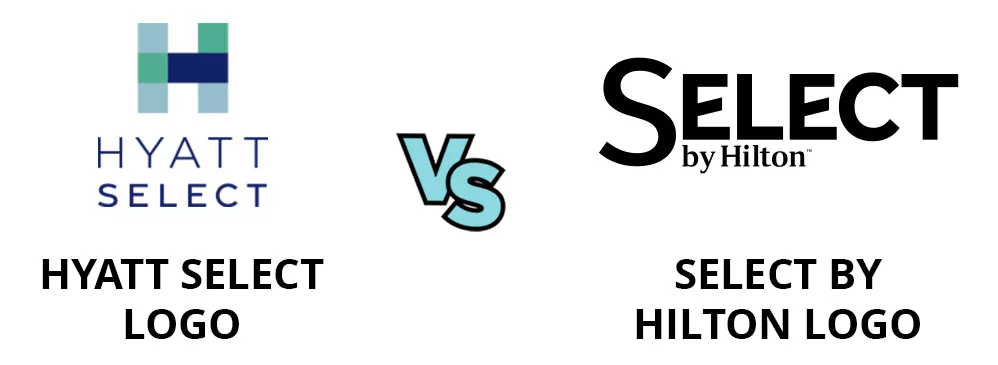
The opposition, filed with the U.S. Patent and Trademark Office’s Trademark Trial and Appeal Board (TTAB), alleges that Hilton’s new brand is likely to cause confusion with Hyatt’s existing ‘SELECT’ trademarks.
According to Hyatt, the company has developed valuable goodwill in its ‘SELECT’ marks through extensive advertising, promotion, and sales. Hyatt also points to multiple trademark filings that it claims establish its rights to the name around February 2025.
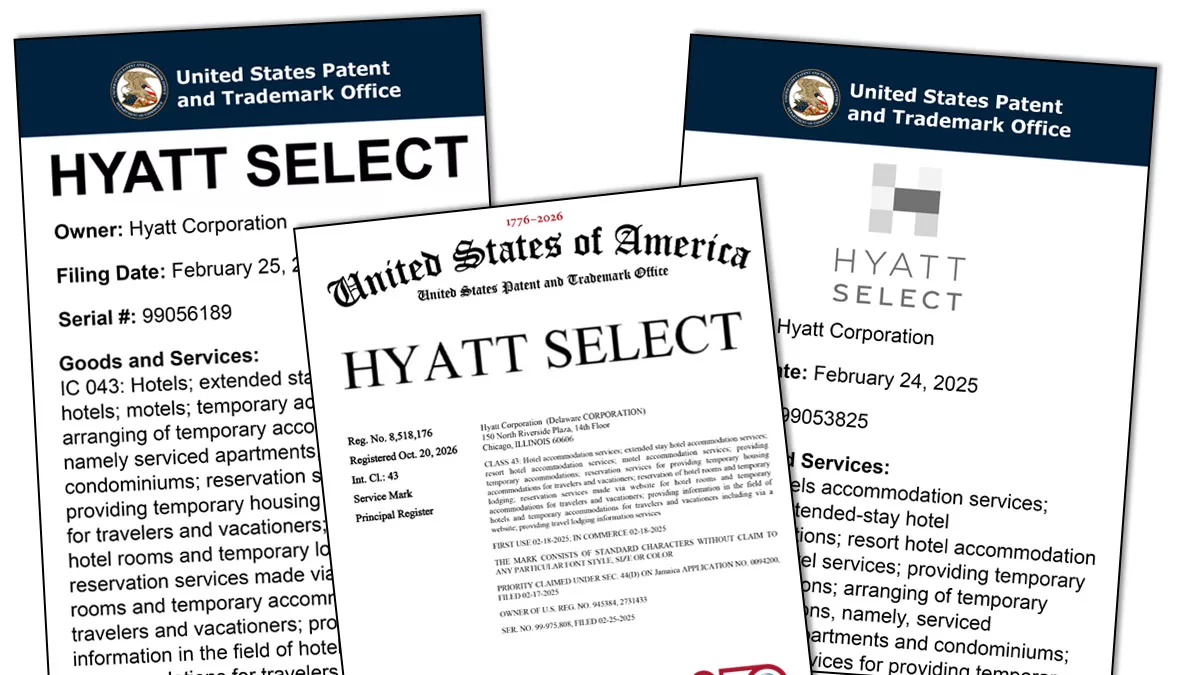
Hilton, meanwhile, began using its ‘SELECT BY HILTON’ trademark in October 2025, around the same time it filed its federal trademark application.
Hyatt argues that the similarities between the brands could lead consumers to mistakenly believe that Hilton’s ‘SELECT’ hotels are affiliated with, sponsored by, or otherwise connected to Hyatt.
The company is asking the TTAB to prevent Hilton’s trademark application from proceeding to registration.
A Battle Over a Surprisingly Weak Trademark
At the center of the dispute is a fundamental question of trademark law: How much protection should a company receive for a word like ‘SELECT’?
The answer: not very much.
Trademark law operates on a sliding scale of distinctiveness. The more unique a trademark is in relation to the products or services it identifies, the stronger its potential legal protection.
Consider ‘APPLE’.
The word has nothing inherently to do with computers, making it an exceptionally strong trademark in that industry. Another computer manufacturer would not be able to use any trademark containing the word ‘APPLE’.
But the situation changes when companies choose words that describe or praise their products.
Words such as “great,” “premium,” “superior,” or “select” are generally considered weak trademarks because they communicate something positive about the goods or services being offered.
In the hotel industry, ‘SELECT’ could easily suggest a higher-quality, carefully chosen, or more exclusive accommodation.
That makes it a laudatory term.
And laudatory trademarks generally receive a narrower scope of protection than distinctive or arbitrary brand names.
This doesn’t mean Hyatt cannot establish trademark rights in ‘SELECT.’ It means the company may face a difficult challenge in proving that those rights extend far enough to prevent Hilton from using ‘SELECT BY HILTON’.
The presence of the ‘HILTON’ name in the challenged trademark could also become an important consideration in determining whether consumers are likely to confuse the two brands.
Hyatt’s Trademark Rights Date Back Only to Early 2025
Another potentially significant issue for Hyatt is how recently it began using its ‘SELECT’ trademark.
According to Hyatt’s trademark filings, the company began using its ‘SELECT’ brand in February 2025.
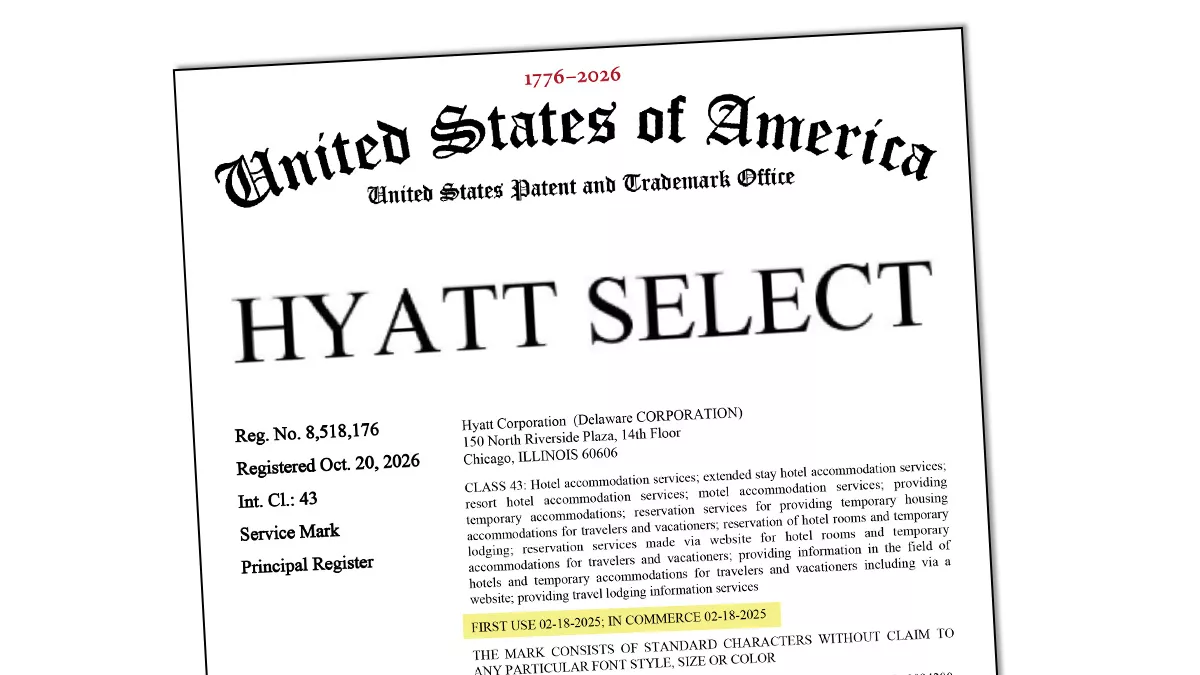
Hilton allegedly began using ‘SELECT BY HILTON’ in October 2025.
That leaves approximately eight months between the companies’ respective launches.
Why does that matter?
Because the length of time a company has used a trademark can be relevant to determining whether consumers have come to associate that trademark with a particular business.
Imagine Hyatt had been operating ‘SELECT’ hotels for 20 years.
If consumers had spent two decades associating ‘SELECT’ with Hyatt, the company might have a much stronger argument that Hilton’s use of the same word would cause confusion.
But that is not what happened here.
Hyatt’s claimed use predates Hilton’s by less than a year.
That relatively short period could make it more difficult for Hyatt to demonstrate that ‘SELECT,’ standing alone, has developed substantial recognition among hotel customers as a Hyatt brand.
Of course, Hyatt’s earlier use and existing trademark registrations remain important. Hilton cannot simply ignore those rights.
But Hilton may have a credible argument that Hyatt’s rights in ‘SELECT’ should be narrowly construed because the word is laudatory and commonly understood to suggest quality or exclusivity.
Ultimately, the TTAB will need to evaluate the trademarks as a whole, the relevant services, the evidence of consumer recognition and the likelihood of confusion.
The Bigger Problem? The Marketing Departments
What is perhaps most remarkable about this dispute is that two enormous hotel companies apparently settled on the same extraordinarily ordinary word to identify their hotel brands.
‘SELECT’.
That’s it.
Of all the possible names available to two companies with massive marketing budgets, both landed on ‘SELECT’.
It seems like both companies could have done better.
A stronger name would give either company the ability to distinguish itself from competitors and prevent others from adopting similar names.
A weak trademark (such as ‘SELECT’) can leave a company spending enormous amounts of money trying to enforce rights that may ultimately be quite limited.
And that appears to be precisely the situation Hyatt and Hilton now find themselves in.

How Much Will This Trademark Fight Cost?
Trademark opposition proceedings before the TTAB can become extraordinarily expensive, particularly when large companies and expensive law firms are involved.
A fully contested proceeding involving discovery, depositions, expert testimony, and extensive legal briefing can easily generate legal fees in the hundreds of thousands of dollars.
A dispute of this nature could potentially cost between $200,000 and $500,000 to litigate, and possibly more.
A Costly Lesson in Trademark Selection
Ultimately, this case is far from a slam dunk for either party.
Hyatt has the advantage of claiming earlier use and holding existing trademark registrations. Hilton, meanwhile, may argue that ‘SELECT’ is too weak a term to give Hyatt the exclusive right to use the term in the hotel industry.
My advice to both Hyatt and Hilton?
Go back to your marketing teams and come up with better trademarks.

Josh Gerben, Esq.
Josh Gerben, Esq. is a nationally recognized trademark attorney and the founder of Gerben IP. Since launching the firm in 2008, he has overseen the registration of over 10,000 trademarks and handled over 1,500 trademark disputes. Josh's practice focuses on building and defending global trademark portfolios for clients. These clients include entrepreneurs, private equity-backed businesses, athletes, celebrities, and public companies. Frequently quoted by major media outlets like CNBC, CNN, The New York Times, and The Wall Street Journal, Josh is widely regarded as a leading authority in trademark law.
Do you need assistance with a trademark matter?
Contact an Attorney Today