

Christian Metal Band Demon Hunter Sues Netflix Over ‘KPop Demon Hunters’ Trademark
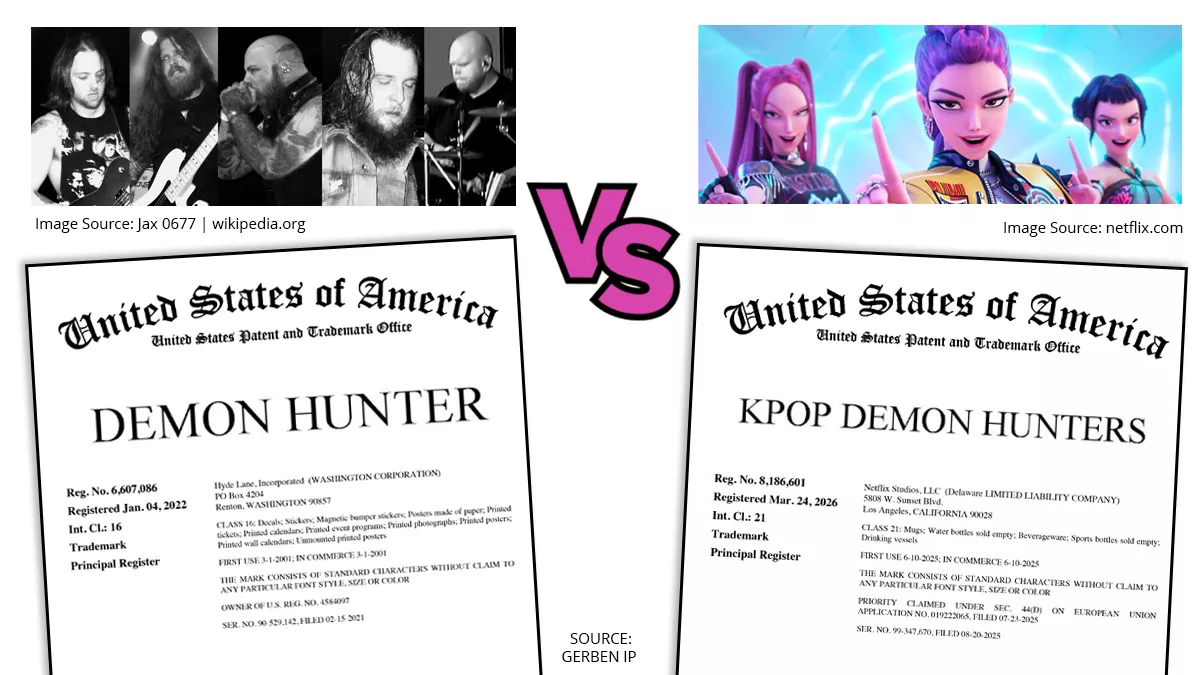
A Christian metal band that has performed under the name Demon Hunter for nearly 25 years is suing Netflix, claiming the streaming giant’s wildly successful KPop Demon Hunters movie is infringing its trademark.
Hyde Lane Inc., the company behind Demon Hunter, filed a lawsuit Tuesday against Netflix and AEG Presents, alleging trademark infringement over the use of the KPop Demon Hunters name.
The lawsuit comes as Netflix is expanding KPop Demon Hunters beyond the animated movie that became a global phenomenon after its release in 2025.
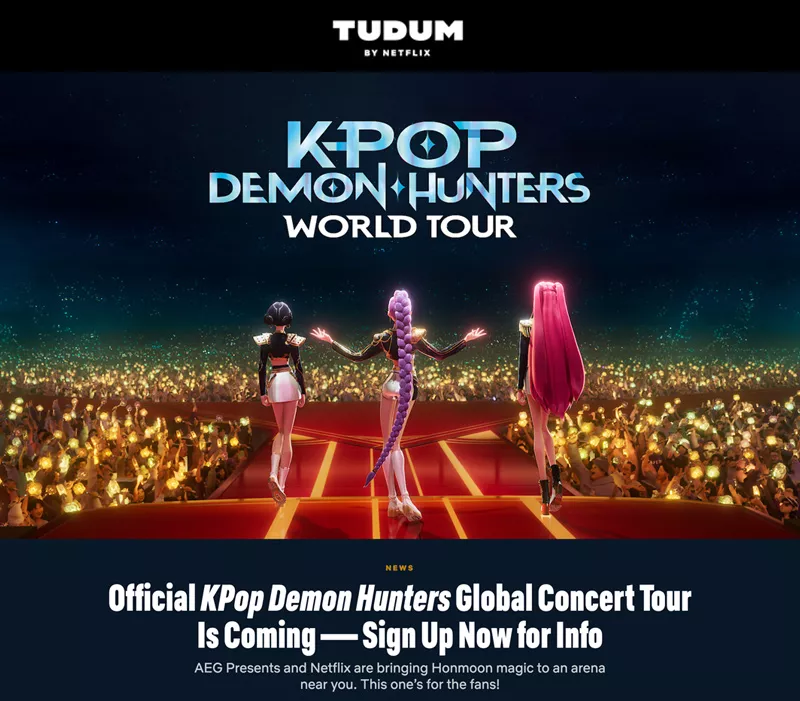
Netflix announced in May that it is partnering with concert promoter AEG Presents to launch a global KPop Demon Hunters concert tour.
The expansion into live entertainment is at the center of Hyde Lane’s complaint.
Hyde Lane calls the dispute a “classic case of a massive company” aggressively protecting its own intellectual property while “willfully disregarding the rights of others in pursuit of profits.”
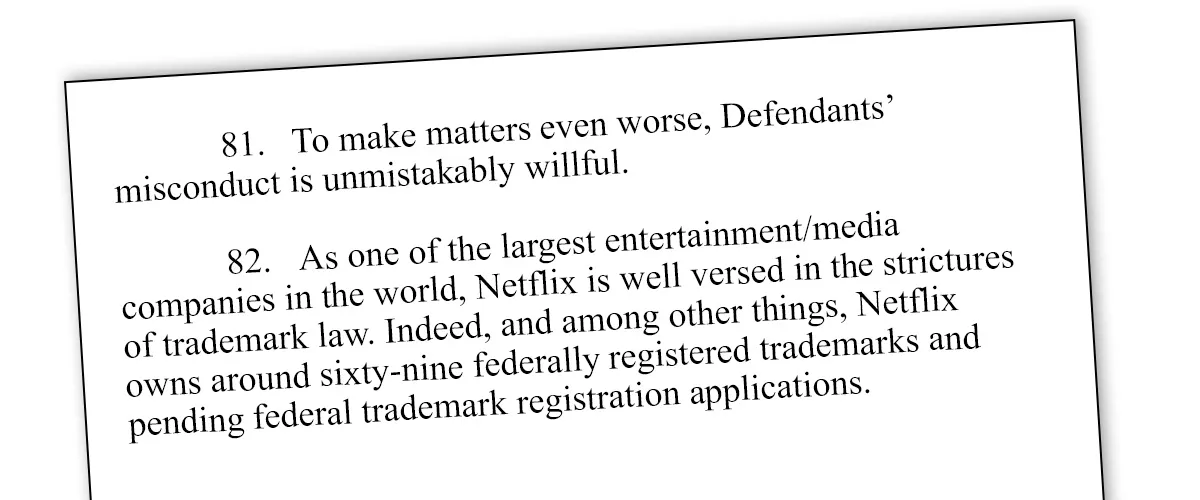
The company argues that Netflix’s use of KPop Demon Hunters is creating both traditional and “reverse” confusion in the marketplace.
In a traditional trademark infringement case, consumers may mistakenly believe that a newer product or service is connected to an established brand. Reverse confusion can occur when a much larger company adopts a similar mark and becomes so dominant that consumers begin to assume the original trademark owner is somehow associated with, or even copying, the larger company.
That is exactly what Hyde Lane says is happening here.
The lawsuit alleges that Netflix’s enormous resources and the extraordinary popularity of KPop Demon Hunters threaten to “eclipse” Hyde Lane’s existing use of the Demon Hunter trademark, making it increasingly difficult for fans searching for the Christian metal band, its music or its concerts to find it.
Hyde Lane has been using the ‘Demon Hunter’ trademark for a long time.
Formed more than two decades ago, the group has developed a substantial following within Christian metal and owns 4 federal trademarks for its name. The band also has hundreds of thousands of followers on Spotify.
- DEMON HUNTER | Registration #: 6607086
- DEMON HUNTER | Registration #: 6607087
- DEMON HUNTER | Registration #: 6607085
- DEMON HUNTER | Serial #: 99528509
Netflix’s franchise, however, has quickly reached an entirely different scale.
KPop Demon Hunters, which follows the fictional K-pop group HUNTR/X as its members secretly battle demons, has become Netflix’s most popular film, surpassing 500 million views. The success has spawned merchandise, awards, and now plans for a global live concert experience.
Hyde Lane argues that Netflix’s decision to move the franchise into live concerts dramatically increases the potential for confusion.
The complaint even alleges that confusion has already happened.
According to the lawsuit, one customer seeking tickets related to KPop Demon Hunters for her 5- and 6-year-old children mistakenly purchased tickets to see the Christian metal band, Demon Hunter.
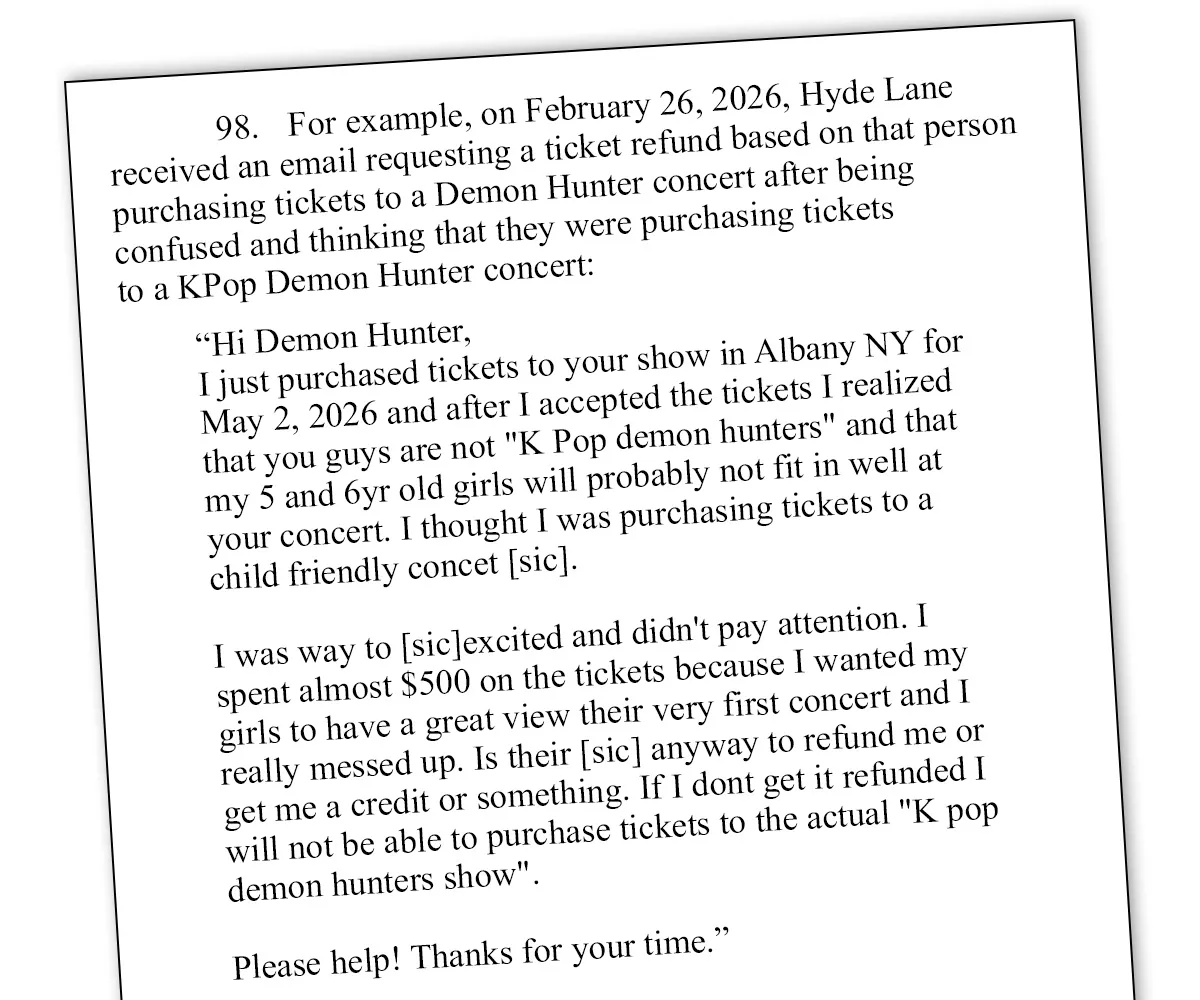
For Hyde Lane, that is potentially important evidence.
The company accuses Netflix of acting willfully, arguing that a sophisticated global corporation with “extensive in-house and outside intellectual property lawyers” should have understood the potential trademark issues before expanding the franchise.
The lawsuit characterizes Netflix’s conduct as demonstrating “willful disregard for the rights of others, oppression and malice.”
Does Hyde Lane have a good case against Netflix?
Hyde Lane certainly has more than a prayer’s chance of winning (pun intended).
While Netflix’s use of the name ‘KPOP Demon Hunters’ for a movie title alone would present a challenging trademark infringement claim, its expansion into live concerts gives the case legs.
The movie on Netflix has a limited ‘channel of trade’ (since it can only be viewed by logging in to Netflix). Even though the movie revolves around a band, the chances that a consumer would think the Christian rock band and the Netflix movie are related seem slim.
The concert tour changes that analysis.
Once Netflix and AEG take KPop Demon Hunters on the road as a live musical experience, the parties will begin operating much more closely in the same marketplace.
KPop Demon Hunters World Tour Promotion from Netflix’s Website
Hyde Lane uses the ‘Demon Hunter’ trademark to make money performing live concerts.
Netflix and AEG now plan to offer live concerts under the KPop Demon Hunters name.
That means consumers searching for tickets, tour dates, or live performances involving “Demon Hunter” will increasingly have to distinguish between the long-established Christian metal band and Netflix’s enormously popular franchise.
That is where the case gets much more difficult for Netflix.
Evidence that consumers have actually purchased tickets to the wrong show is exactly the kind of evidence a trademark plaintiff wants. One isolated incident (as mentioned in the lawsuit) isn’t necessarily enough to prove infringement. But, if Hyde Lane can document multiple examples of consumers confusing the two live entertainment offerings, its case becomes considerably stronger.
I also think reverse confusion may ultimately be the more compelling legal theory here.
Reverse confusion happens when a large junior user becomes so dominant that it overwhelms the identity of the smaller, original trademark owner.
Netflix is a textbook example of the type of company capable of creating that problem.
If someone searches “Demon Hunter concert” and can only find information about Netflix’s KPop Demon Hunters instead of the band that has been performing under the Demon Hunter name for decades, Hyde Lane can argue that Netflix’s enormous commercial footprint is effectively drowning out its trademark.
That said, Netflix does have defenses.
Its strongest argument is probably that consumers can distinguish between these two entertainment properties.
A parent looking to take a 5-year-old to a colorful KPop Demon Hunters arena show is unlikely, Netflix could argue, to buy tickets to a Christian heavy metal concert. The appearance of the performers, marketing, music, audience, and overall presentation are dramatically different.
This argument could be very effective given the significant differences in audiences.
But that argument becomes less persuasive if Hyde Lane can show that consumers are actually making the mistake in the marketplace.
That’s why the evidence gathered during this case could ultimately be so important. If Hyde Lane can produce emails, ticket purchases, social media posts, search results, or other examples showing that consumers are having trouble distinguishing between the two, Netflix could have a real problem if the case goes to a judge or jury.
That said, most trademark cases never reach trial. And I would be surprised if this one doesn’t settle quickly.
KPop Demon Hunters has become an extraordinarily valuable franchise for Netflix. A worldwide concert tour only increases that value.
Netflix therefore has a significant incentive to eliminate uncertainty surrounding the name rather than litigate a trademark case for years and risk an injunction or other restrictions on its ability to expand the franchise.
The most logical resolution would be a settlement in which Netflix pays Hyde Lane for rights that allow both sides to move forward.
That said, when and if a case like this one settles is wildly unpredictable.
A lot depends on the parties themselves and how reasonable they both are in settlement discussions. If marketplace realities are ignored and negotiations are driven by emotion, a case tends to drag out and sometimes make it to trial.

Josh Gerben, Esq.
Josh Gerben, Esq. is a nationally recognized trademark attorney and the founder of Gerben IP. Since launching the firm in 2008, he has overseen the registration of over 10,000 trademarks and handled over 1,500 trademark disputes. Josh's practice focuses on building and defending global trademark portfolios for clients. These clients include entrepreneurs, private equity-backed businesses, athletes, celebrities, and public companies. Frequently quoted by major media outlets like CNBC, CNN, The New York Times, and The Wall Street Journal, Josh is widely regarded as a leading authority in trademark law.
Do you need assistance with a trademark matter?
Contact an Attorney Today