

USPTO Denies Nike’s Trademark Application for Bronny James’ New Logo
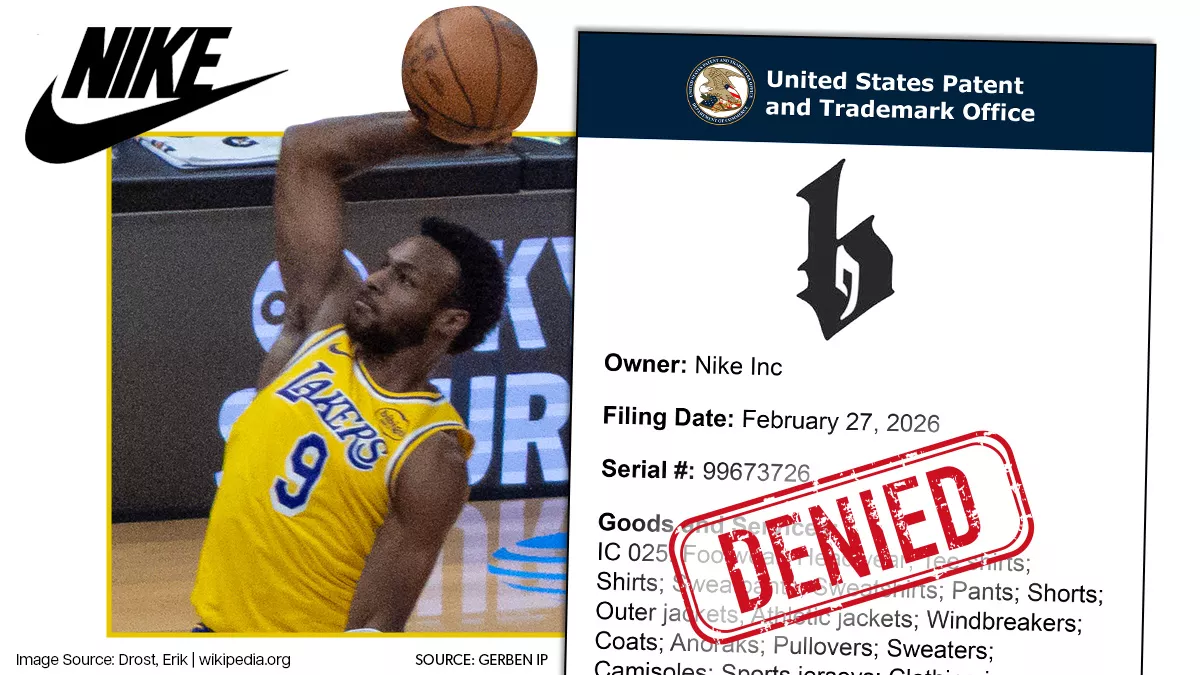
Nike’s push to lock down a new logo for Bronny James just ran into a defender it couldn’t shake: the United States Patent and Trademark Office.
On April 13th, the USPTO issued a decision refusing Nike’s trademark application for a stylized ‘B9’ logo tied to Bronny’s emerging brand.
Nike filed the application seeking protection of the ‘B9’ logo for use on footwear, clothing, and sports jerseys. The application was made on an intent-to-use basis, meaning that Nike hasn’t yet launched products with the logo.
During its standard review process, the USPTO found a problem. An existing ‘B9’ trademark is already registered.
That mark belongs to Back 9 Golf Apparel, an Austin-based company selling golf apparel and related gear under a similar ‘B9’ branding.
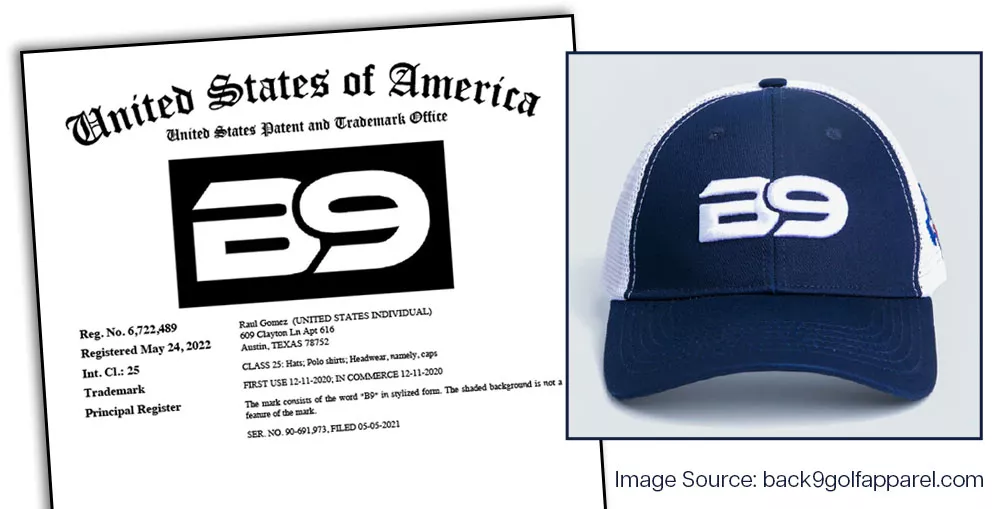
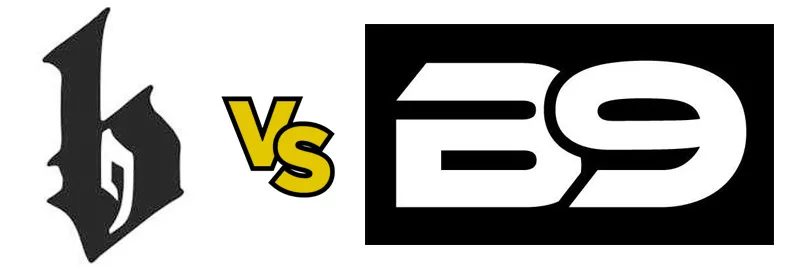
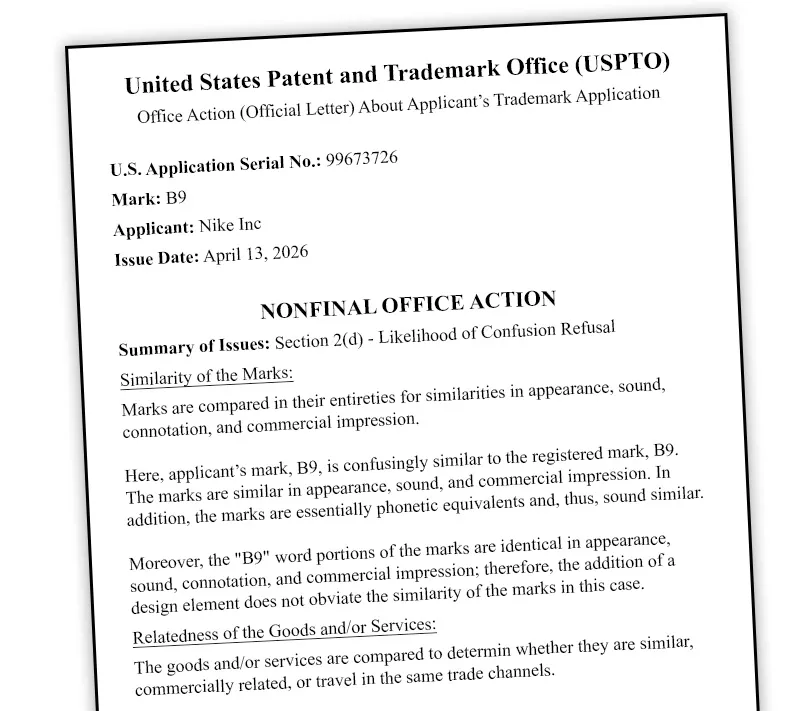
The USPTO’s Examining Attorney found that the ‘B9’ portions of both marks are “identical in appearance, sound, connotation, and commercial impression.” Even though Nike’s version features a unique stylized design of a “B” with a “9” embedded inside, the Examining Attorney said those design differences aren’t enough to overcome the overlap.
There was another issue, too: the products.
Both Nike and Back 9 Golf claim clothing and footwear. And because neither application limits where or how those goods are sold (e.g., in the golf and basketball industries), the USPTO assumes they could show up in the same stores, targeting the same customers.
Ultimately, the combination of similar marks and similar goods triggered what is called a “likelihood of confusion” refusal by the USPTO.
Can Nike and Bronny overcome the refusal?
The initial refusal of a trademark application is not the end of the game. There are multiple paths Nike could take to register this trademark.
1. Appeal and argue that the design is different enough
Nike’s best argument is the visual differences in these trademarks. This isn’t a plain ‘B9’ word mark. It’s a stylized logo that looks very different from what Back 9 Golf is using.
I think Nike can make a good argument that no one buying Bronny merch will think it came from a golf brand.
But here’s the problem: the USPTO already identified what it cares about: the shared ‘B9’ element. And when that core element is identical, arguments that the designs are sufficiently different typically fall short.
2. Try the “different sports” angle
Nike could argue that because the goods are targeted at different sports, the goods should not be considered identical.
Legally, this argument is difficult in this case.
Because Back 9 Golf’s trademark registration doesn’t specifically limit it to golf channels, the USPTO’s own rules will automatically presume the goods are overlapping. This is an issue that Nike is not likely to be able to argue around.
3. Modify the logo and refile
The best option that Nike may have is to slightly modify the logo and avoid claiming the “9” in the middle of the “B” as a literal element. If Nike can claim that the opening in the middle of the “B” is just the standard opening when writing the letter, it could sidestep the refusal entirely.
However, this would require making the “9” in the Bronny logo look a little less like a “9.” It is unclear if Nike’s marketing department would be on board with that idea.
4. Cut a deal with Back 9 Golf
One of the most practical (though likely the most expensive) solutions is to ask Back 9 Golf Apparel to consent to Nike’s application. If the company agreed to sign off on such a consent, the USPTO would step aside and allow Nike’s trademark to register.
The question here is whether Back 9 Golf Apparel and Nike could agree on an appropriate price for such a consent. This can be a challenging number to negotiate.
Final thoughts
If I had to bet, I don’t think Nike will be able to argue around the USPTO’s refusal.
These marks use the same core wording and cover the same goods. Moreover, a search of the USPTO register found no other ‘B9’ trademarks in the clothing space.
That’s a tough set of facts to overcome.
Nike doesn’t lose often.
But even the biggest brand in sports can’t just run the court on trademark law.

Josh Gerben, Esq.
Josh Gerben, Esq. is a nationally recognized trademark attorney and the founder of Gerben IP. Since launching the firm in 2008, he has overseen the registration of over 10,000 trademarks and handled over 1,500 trademark disputes. Josh's practice focuses on building and defending global trademark portfolios for clients. These clients include entrepreneurs, private equity-backed businesses, athletes, celebrities, and public companies. Frequently quoted by major media outlets like CNBC, CNN, The New York Times, and The Wall Street Journal, Josh is widely regarded as a leading authority in trademark law.
Do you need assistance with a trademark matter?
Contact an Attorney Today