

Popmart Files Lawsuit Against 7-Eleven Over Alleged Sale of Counterfeit Labubu Dolls
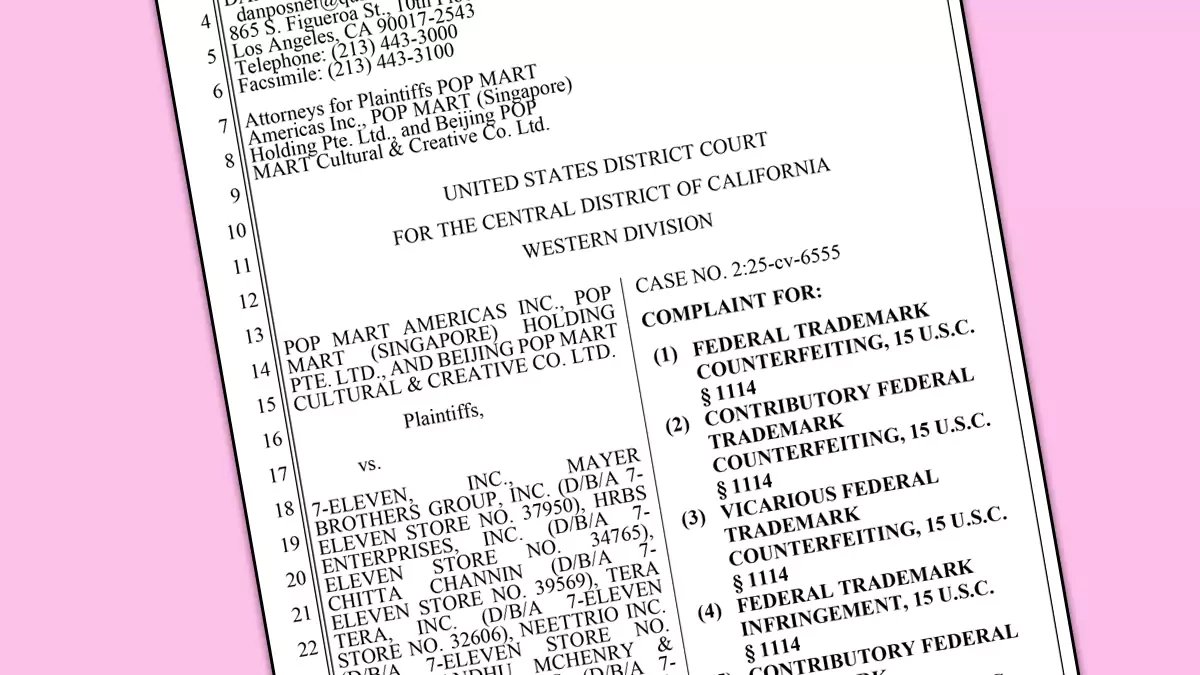
Popmart is suing 7-Eleven, accusing it of selling fake Labubu dolls.
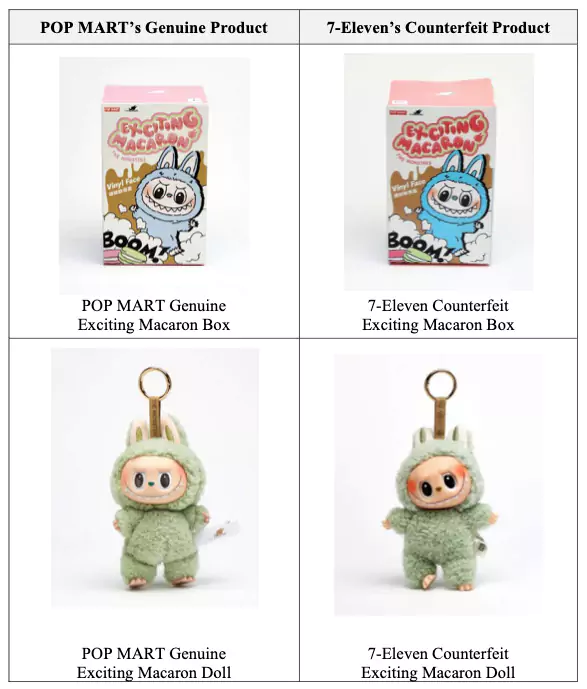
In the complaint filed this week, Popmart accuses the convenience store and its franchisees of selling counterfeit versions of the Labubu dolls that mimic the original designs, but fall drastically short of Popmart’s quality standards. According to Popmart, these knockoff products feature defects such as improperly secured eyes, substandard stitching, lopsided heads, and faces that appear upside down or deformed.
Exhibit from the Lawsuit: A comparison of products and packaging
The Labubu Doll Phenomenon
Labubu dolls have rapidly become a cultural sensation, with social media playing a central role in their popularity. The hashtag #Labubu has garnered millions of posts across multiple social media platforms. Popmart claims the Labubu brand is so recognizable that it has become an iconic symbol, often featured in mainstream media outlets like The New York Times, Forbes, and CNN.
Even global celebrities like David Beckham have helped fuel the doll’s rise. Beckham, who has over 88 million Instagram followers, made headlines earlier this year when he posted a photo of a Labubu doll gifted to him by his daughter, generating widespread attention for the brand.
The Allegations Against 7-Eleven
Popmart’s lawsuit accuses 7-Eleven of failing to exercise adequate control over its franchisees. The company claims that 7-Eleven knows which products franchise stores are selling and provides support to those franchisees in stocking their stores. Because of this, the suit argues that 7-Eleven allowed the sale of counterfeit Labubu dolls, even though it had the power to intervene.
The lawsuit also names multiple 7-Eleven franchisees as defendants, accusing them of directly selling the counterfeit dolls. To substantiate its claims, Popmart offers various forms of evidence. One of the most dramatic is a video showing a consumer traveling to a 7-Eleven store to purchase a genuine Labubu doll, only to unbox a subpar knockoff instead.
Popmart is Seeking Injunctive Relief and Punitive Damages
Popmart is seeking multiple forms of relief, including an injunction that would prevent 7-Eleven and its franchisees from selling any further counterfeit Labubu dolls.
Additionally, Popmart is seeking damages, including punitive damages, and reimbursement for legal fees incurred in pursuing the case. The lawsuit alleges multiple causes of action, including trademark infringement and counterfeiting, and asks the court to hold not only the franchisees accountable but also 7-Eleven corporate itself.
An Important Lesson for Franchisors
The case raises critical issues about the responsibilities of franchisors in overseeing the products being sold by franchisees.
It seems unlikely that 7-Eleven corporate would have known these counterfeit products were being sold by local franchisees.
Nevertheless, given the seriousness of the allegations in this case, the company may now have significant financial liability.
In today’s world, it has become easier than ever for franchisees to obtain products to sell in their stores without formal approval from a franchisor. This case is a clear example of the headaches these actions can cause franchisors.

Josh Gerben, Esq.
Josh Gerben, Esq. is a nationally recognized trademark attorney and the founder of Gerben IP. Since launching the firm in 2008, he has overseen the registration of over 10,000 trademarks and handled over 1,500 trademark disputes. Josh's practice focuses on building and defending global trademark portfolios for clients. These clients include entrepreneurs, private equity-backed businesses, athletes, celebrities, and public companies. Frequently quoted by major media outlets like CNBC, CNN, The New York Times, and The Wall Street Journal, Josh is widely regarded as a leading authority in trademark law.
Do you need assistance with a trademark matter?
Contact an Attorney Today