

Neuralink Files Trademark for ‘TELEPATHY’: A Glimpse into a Mind-Controlled Future
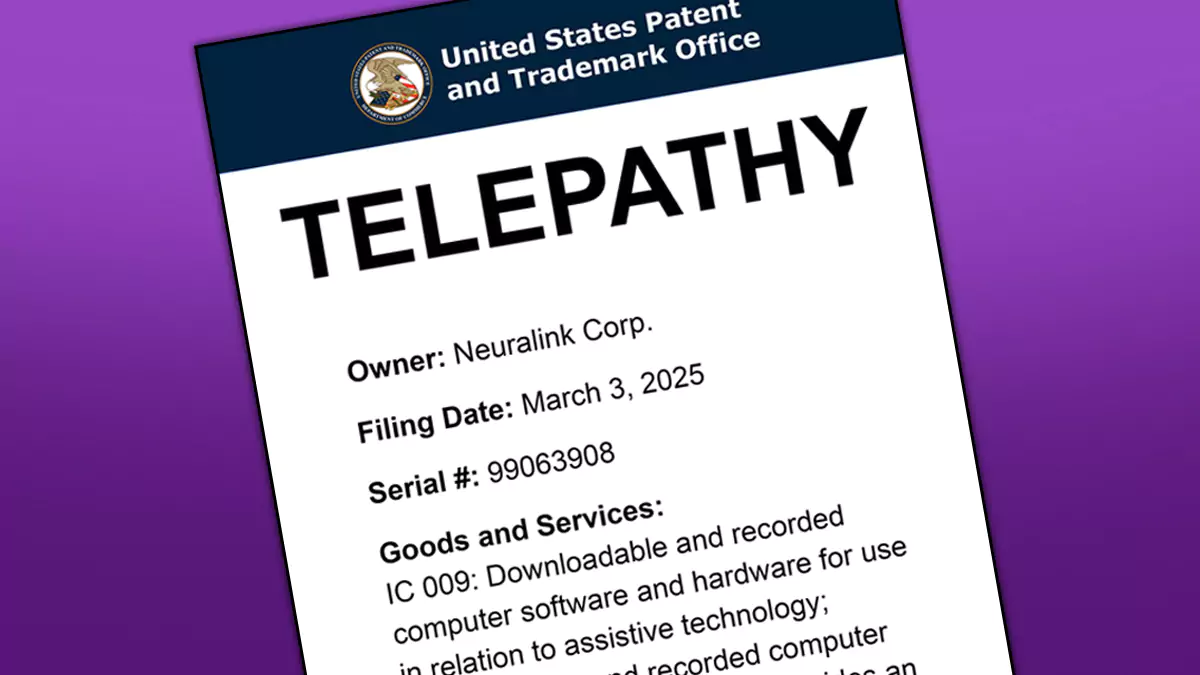
Elon Musk’s brain-chip company, Neuralink, is taking another step toward a future where humans can communicate with thoughts alone.
On March 3, the company filed a trademark application for “TELEPATHY.”
The application suggests that Neuralink is working on a product that would allow humans to communicate directly through their thoughts. It also indicates that human thought could be used to control computers, smartphones, and other electronic devices. If successful, such technology could eliminate the need for keyboards, touchscreens, and even spoken language when interacting with digital systems.
Why Neuralink filed its TELEPATHY trademark on an “intent-to-use” basis with the USPTO
Neuralink’s TELEPATHY trademark application was made with the USPTO on an “intent to use” basis. This is legally significant for the following reason:
Under U.S. trademark law, an intent-to-use (ITU) application means that the company has a bona fide intent to use the mark in commerce. The trademark application itself contains a sworn declaration that Neuralink is actively developing a TELEPATHY-branded product and plans to introduce it to the market within the next few years.
This means the TELEPATHY trademark isn’t just speculative, it’s a sign that Neuralink is taking real steps toward commercializing thought-controlled communication and device interaction. Ultimately, while no official product launch has been announced, the filing suggests that Musk and his team intend to bring TELEPATHY to consumers sooner rather than later.
Analyzing the TELEPATHY trademark application
The implications of Neuralink’s TELEPATHY technology are staggering. A fully functional brain-computer interface (BCI) could allow people to send messages or commands using only their thoughts. Instead of typing a text message, users could think of a response and have it sent instantly. Similarly, ordering food, navigating a website, or even composing an email could become entirely thought-driven processes.
Beyond convenience, this technology could provide a lifeline for individuals with disabilities, giving people with paralysis or neurological conditions a way to communicate and interact with the world more easily.
The spookier part of the technology is that our thoughts may no longer be private.
Final thoughts
Neuralink has already made headlines for its advancements in brain-computer interface technology, including its first successful human brain chip implant in early 2024. The TELEPATHY trademark suggests that the company is moving beyond medical applications and into the consumer market.
However, major challenges remain. The ethical, privacy, and security concerns surrounding thought-based communication and control are immense. Could such technology be hacked? Would thought-to-thought communication compromise personal privacy? Regulators will likely scrutinize these developments as Neuralink moves forward.
Still, the fact that Neuralink is taking legal steps to protect the TELEPATHY brand indicates that a world where thoughts control technology may be closer than we think.
Whether this technology will revolutionize communication or introduce new ethical dilemmas, one thing is certain, Neuralink is betting on a future where the mind speaks louder than words.
You can review the full “TELEPATHY” trademark application and view supporting documentation in the USPTO’s trademark database.

Josh Gerben, Esq.
Josh Gerben, Esq. is a nationally recognized trademark attorney and the founder of Gerben IP. Since launching the firm in 2008, he has overseen the registration of over 10,000 trademarks and handled over 1,500 trademark disputes. Josh's practice focuses on building and defending global trademark portfolios for clients. These clients include entrepreneurs, private equity-backed businesses, athletes, celebrities, and public companies. Frequently quoted by major media outlets like CNBC, CNN, The New York Times, and The Wall Street Journal, Josh is widely regarded as a leading authority in trademark law.
Do you need assistance with a trademark matter?
Contact an Attorney Today