

Trademark Enforcement Strategies: How the Empire State Building Protects Its Brand
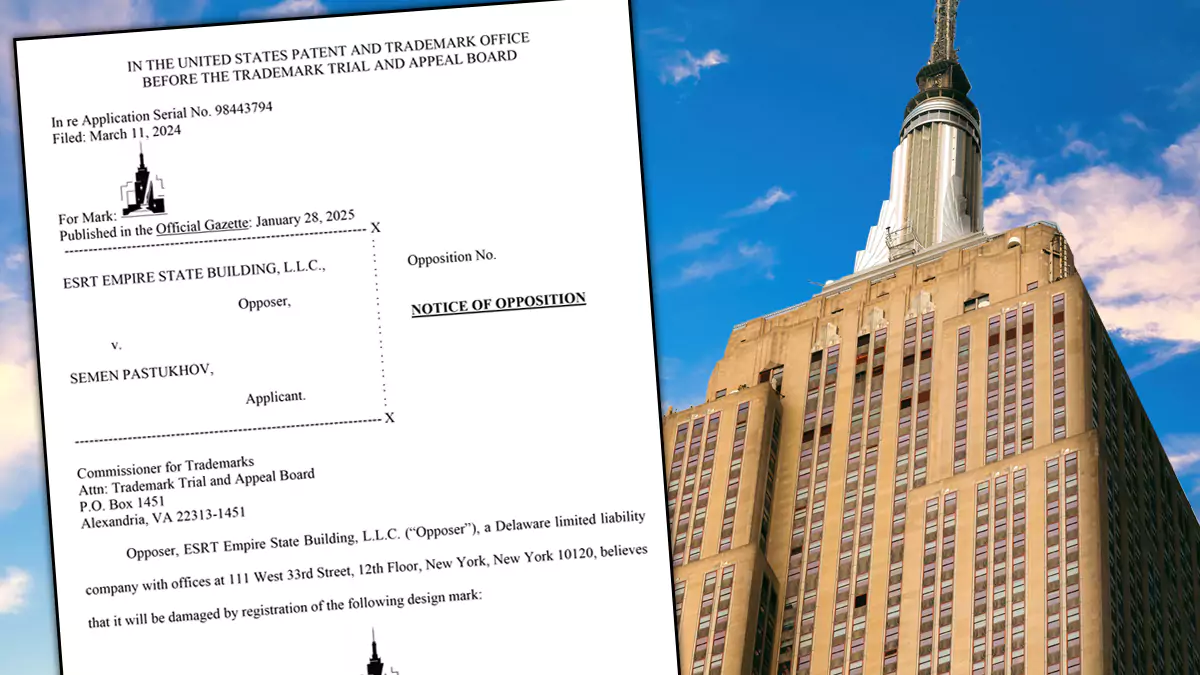
Managing a trademark portfolio requires more than securing registrations. It also demands proactive monitoring and enforcement. When a brand is as iconic as the Empire State Building, protecting its image and reputation through trademark rights becomes even more important.
ESRT Empire State Building, LLC, the entity that owns and operates the Empire State Building, holds 42 registered trademarks tied to the building, including 17 registrations protecting the building’s distinctive design and silhouette.
To maintain exclusive rights, the company actively monitors new trademark filings and enforces its portfolio through a variety of tactics. These include oppositions and cancellations before the Trademark Trial and Appeal Board (TTAB).
The role of oppositions and cancellations in trademark enforcement
A strong trademark portfolio is only as valuable as the efforts made to enforce it. Two important enforcement tools are oppositions and cancellations.
Trademark oppositions allow rights holders to challenge pending applications during the USPTO’s review process if they believe a new filing is confusingly similar, dilutes their brand, or otherwise infringes upon their rights.
Trademark cancellations are filed to remove existing trademark registrations from the federal register. These are the same type of proceedings as a trademark opposition. A cancellation action is typically launched when a brand owner discovers an issue and misses the initial opposition period.
Both strategies are essential to proactively safeguarding brand assets, especially for landmark properties like the Empire State Building.
How the Empire State Building uses trademark oppositions to protect its brands
Jump to the Empire State Building’s oppositions
An analysis of the Empire State Building’s trademark enforcement efforts shows a thoughtful, proactive strategy. Over the years, ESRT Empire State Building, LLC has filed numerous oppositions targeting trademarks that could undermine its exclusive rights to the building’s image and branding.
Key areas of focus in the company’s opposition filings include:
Protecting against commercial confusion.
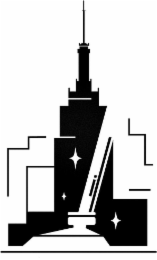
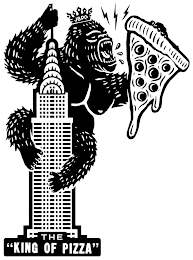
The Empire State Building’s owners routinely oppose trademark applications that could create confusion with their iconic brand. This includes marks that reference the building by name, depict similar imagery, or imply a commercial association that does not exist.
By filing oppositions, ESRT helps ensure that consumers are not misled into believing that unauthorized third parties are connected with or endorsed by the Empire State Building.
Enforcing exclusive rights to the building’s image.
Seventeen of ESRT’s trademark registrations specifically protect visual representations of the building’s design. As a result, the company is highly vigilant in opposing marks that attempt to leverage similar building imagery, logos, or architectural references in ways that could dilute its brand or erode its distinctiveness.
This proactive enforcement helps maintain the Empire State Building’s strong brand identity across diverse industries, from real estate and tourism to merchandise and entertainment.
Monitoring a wide range of industries.
The Empire State Building’s enforcement efforts extend beyond obvious commercial categories like real estate or tourism. ESRT has opposed marks related to food services, clothing, entertainment, and other sectors where unauthorized use of the building’s name or image could improperly suggest an affiliation.
By carefully monitoring applications across a broad range of industries, ESRT reinforces the strength and exclusivity of its brand in the marketplace.
How the Empire State Building uses cancellation proceedings to strengthen its portfolio
While oppositions deal with pending trademarks, sometimes brand owners miss potential conflicts during the application process. In those instances, a cancellation action becomes necessary.
ESRT Empire State Building, LLC has also pursued a trademark cancellation to remove a registration that could threaten its brand. The cancelled trademark—a logo which was used for a brand of shirts—incorporated the silhouette of the Empire State Building.
Filing a cancellation action allows brand owners like ESRT to actively police their rights and prevent unauthorized or misleading marks from weakening their trademark protections over time, even if they miss the opportunity to initially oppose the mark.
Key takeaways from the Empire State Building’s trademark enforcement strategy
For companies managing a valuable trademark portfolio—whether it’s tied to a product, a service, or an iconic landmark—the Empire State Building’s enforcement strategy offers important lessons:
- Monitor new trademark filings closely to identify and oppose potentially infringing applications early.
- Protect your brand name along with visual elements, design features, and product or service offerings.
- Enforce across a wide range of industries, not just within your immediate business category.
- File cancellation actions when necessary to remove existing trademarks that create confusion or dilute your brand.
- Work with experienced trademark counsel to develop and execute a comprehensive enforcement strategy that evolves as your brand grows.
The Empire State Building’s approach underscores that trademark enforcement is an ongoing responsibility—one that helps maintain a brand’s power, prestige, and market position over time.
Final thoughts
The Empire State Building is one of the most recognized landmarks in the world, and its owners work hard behind the scenes to protect that recognition through strategic trademark enforcement.
For businesses with valuable brands or iconic assets, regularly monitoring the trademark landscape and taking timely enforcement action, whether through oppositions, cancellations, or other trademark enforcement tactics, is essential to preserving long-term brand strength.
If your business has a growing trademark portfolio and you want to ensure it is protected with a strong enforcement strategy, our team at Gerben IP is here to help.
The Empire State Building’s trademark opposition history
So, what cases has ESRT brought to enforce its rights over the years?
Below is a summary of all the different cases ESRT has filed with the USPTO’s Trademark Trial and Appeal Board to protect its trademark rights.
Data as of April 28, 2025 | Jump to analysis
| wdt_ID | wdt_created_by | wdt_created_at | wdt_last_edited_by | wdt_last_edited_at | ESRT's Trademark | Opposed Trademark | Link to Opposition |
|---|---|---|---|---|---|---|---|
| 1 | 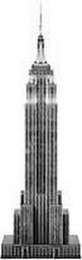 |
 |
91298569 | ||||
| 2 | EMPIRE STATE BUILDING | EMPIRE CENT BUILDING | 91296393 | ||||
| 3 | |
 |
91284110 | ||||
| 4 | |
 |
91279332 | ||||
| 5 | EMPIRE STATE BUILDING | BUILDING EMPIRES INVESTMENT GROUP | 91269069 | ||||
| 6 | |
 |
91255750 | ||||
| 7 | EMPIRE STATE BUILDING | EMPIRE STEEL BUILDINGS | 91255146 | ||||
| 8 | |
 |
91251994 | ||||
| 9 | |
 |
91251993 | ||||
| 10 | |
 |
91246875 | ||||
| 11 | EMPIRE STATE BUILDING | EMPIRE STATE LIVING | 91246202 | ||||
| 12 | |
 |
91240202 | ||||
| 13 | |
 |
91235043 | ||||
| 14 | 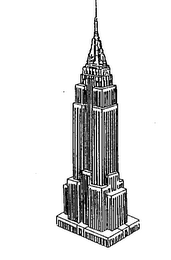 |
 |
91204122 | ||||
| 15 | |
 |
91208505 | ||||
| 16 | |
 |
91206241 |

Josh Gerben, Esq.
Josh Gerben, Esq. is a nationally recognized trademark attorney and the founder of Gerben IP. Since launching the firm in 2008, he has overseen the registration of over 10,000 trademarks and handled over 1,500 trademark disputes. Josh's practice focuses on building and defending global trademark portfolios for clients. These clients include entrepreneurs, private equity-backed businesses, athletes, celebrities, and public companies. Frequently quoted by major media outlets like CNBC, CNN, The New York Times, and The Wall Street Journal, Josh is widely regarded as a leading authority in trademark law.
Do you need assistance with a trademark matter?
Contact an Attorney Today